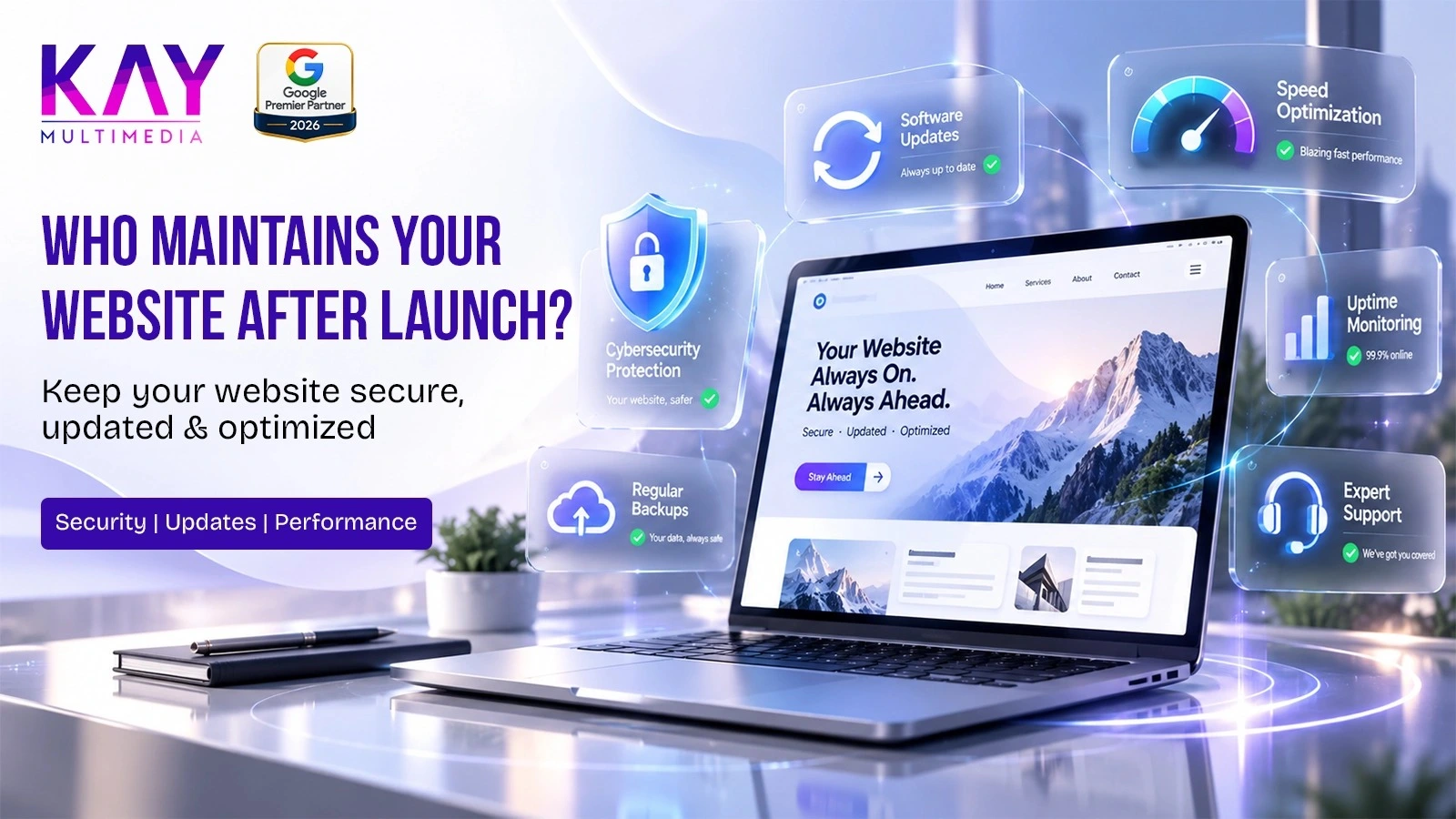
Launching a website is an important milestone for any business. A professional website helps build credibility, attract potential customers and establish a strong digital presence. However, many business owners overlook one important question: Who maintains your website after launch?
A website does not remain secure, fast and fully functional without regular attention. Software updates, security monitoring, backups, content improvements and performance optimization are essential for maintaining a reliable online presence.
Working with a professional Website Development Company in Chennai can help businesses manage these ongoing requirements and keep their websites aligned with changing customer expectations.
Whether you operate a startup, an e-commerce store or an established business, understanding post-launch website maintenance is essential for long-term digital growth.
Who is responsible for website maintenance after launch?
Website maintenance is typically handled by an in-house technical team, a professional website development agency or a third-party maintenance provider. The responsibility depends on the agreement established during website development.
In some cases, businesses manage basic content updates while their development agency handles technical maintenance. Other businesses choose a comprehensive maintenance plan that covers security, performance, backups and troubleshooting.
The most important step is establishing clear responsibilities before the website goes live.
An experienced website development partner can provide ongoing technical assistance to keep the website functioning effectively as business requirements evolve.
Why is website maintenance important after launch?
A website represents your business online around the clock. Even a well-developed website can experience technical problems when maintenance is neglected.
Regular maintenance helps businesses address vulnerabilities, maintain website functionality and deliver a consistent user experience.
1. Website Security and Protection
Website security should remain a priority after launch. Outdated software, vulnerable plugins and weak access controls can create opportunities for cyberattacks.
Regular security maintenance may include:
- Updating CMS platforms, themes and plugins
- Monitoring suspicious website activity
- Reviewing user permissions and access controls
- Checking SSL/TLS certificate validity
- Identifying and addressing security vulnerabilities
For websites built using WordPress, the official WordPress Security Hardening Guide explains important security practices, including software maintenance, backups and monitoring.
These measures help reduce security risks and protect important website data.
2. Website Speed and Performance Optimization
Website performance directly influences user experience. Visitors may leave a website when pages load slowly or important features do not respond properly.
Ongoing performance maintenance includes image optimization, caching improvements, database cleanup and identifying unnecessary scripts.
Businesses should also monitor Core Web Vitals to understand loading performance, responsiveness and visual stability.
A reliable Website Development Company in Chennai can help identify technical bottlenecks and implement improvements that support a smoother browsing experience.
3. Regular Website Backups
Website backups provide a recovery option when technical failures, accidental changes or security incidents occur.
A structured backup strategy should include regular copies of website files and databases, secure backup storage and periodic recovery testing.
Backup frequency should reflect how often the website changes. For example, an active e-commerce store may require more frequent backups than a simple informational website.
4. Content Updates and Website Accuracy
Business information changes over time. Service descriptions, pricing, contact details, product listings and promotional offers may require regular updates.
Outdated information can confuse customers and affect business credibility.
Website maintenance ensures visitors can access accurate and relevant information. Publishing useful blogs, updating existing pages and maintaining working internal links also help users discover related content.
5. SEO Monitoring and Technical Improvements
Website maintenance and search engine optimization are closely connected.
Broken internal links, incorrect redirects, indexing problems and inaccessible pages can make it harder for search engines to understand a website.
Google's SEO Starter Guide emphasizes making websites understandable to search engines while providing useful experiences for visitors.
Regular SEO maintenance should include checking crawl errors, XML sitemaps, canonical tags, mobile usability, content quality and internal linking.
For additional support, businesses can explore KAY Multimedia's SEO Content Strategy services to understand how ongoing content optimization supports online visibility.
What happens if you don't maintain your website?
Ignoring website maintenance can gradually affect performance, reliability and customer experience.
Some common consequences include:
- Increased exposure to security vulnerabilities
- Slow-loading pages and poor mobile experiences
- Broken contact forms or payment integrations
- Outdated content and inaccurate business information
- Technical SEO errors and potential visibility losses
- Longer website downtime and expensive emergency repairs
For example, imagine a business running paid advertising campaigns while its enquiry form stops functioning. Visitors may continue arriving through advertisements, but the business could lose valuable enquiries until the issue is identified and resolved.
This illustrates why website maintenance should be treated as an ongoing business requirement rather than an occasional technical task.
How often should a business website be maintained?
Maintenance frequency depends on website complexity, technology, traffic and business requirements.
A practical maintenance schedule can include the following:
| Frequency | Recommended activities |
| Daily | Uptime monitoring, automated backups and critical security alerts |
| Weekly | Review software updates, check forms and assess security notifications |
| Monthly | Performance testing, broken-link checks, SEO monitoring and content reviews |
| Quarterly | Technical audits, accessibility reviews, backup recovery tests and functionality improvements |
| Annually | Hosting, domain, licences, architecture and long-term website strategy review |
This schedule is a starting point rather than a universal requirement. High-traffic, transactional and business-critical websites may need more frequent monitoring.
Should you manage website maintenance yourself or hire an agency?
Businesses can maintain their websites internally if they have the necessary technical skills, resources and processes.
However, managing security, hosting, updates and performance can become challenging for organizations without a dedicated technical team.
A professional agency may provide several advantages:
Technical expertise: Experienced developers can diagnose platform issues, integration failures and performance problems.
Proactive maintenance: Scheduled checks help identify potential problems before they become major disruptions.
Time efficiency: Business owners can focus on customers and operations while technical specialists handle website upkeep.
Scalability: Development support can help businesses introduce new pages, features and integrations as they expand.
Before choosing a long-term provider, it is important to evaluate technical capabilities, service coverage, ownership terms and support commitments.
KAY Multimedia's previous article, How to Choose the Best Web Development Company in Chennai, provides additional guidance on evaluating a development partner, including post-launch support.
What should a website maintenance agreement include?
A website maintenance agreement should clearly explain what the service provider will manage and what remains the responsibility of the website owner.
Businesses should verify whether their agreement includes software updates, scheduled backups, security monitoring, technical troubleshooting, uptime checks and performance improvements.
It should also specify support hours, response times, emergency procedures and charges for additional development work.
Website ownership is another important consideration. Businesses should know who controls their domain registration, hosting account, source code, database and website credentials.
A transparent agreement reduces misunderstandings and makes future website management easier.
How does website maintenance support SEO and AEO?
Search Engine Optimization (SEO) helps search engines discover, understand and rank relevant website content. Answer Engine Optimization (AEO) focuses on making information clear and useful for question-based searches and AI-powered search experiences.
Ongoing website maintenance supports both approaches.
For SEO, businesses should maintain crawlable pages, descriptive internal links, accurate metadata and technically accessible content.
For AEO, websites benefit from direct answers, meaningful headings, clearly structured explanations and updated factual information.
For example, answering questions such as "Who maintains a website after launch?" or "How often should a business website be updated?" helps readers find information quickly and makes the content easier for search systems to interpret.
Businesses can further explore this topic in KAY Multimedia's earlier blog, How AI Is Transforming SEO into AEO.
While structured content improves clarity, no specific format guarantees placement in AI-generated answers.
Why choose KAY Multimedia for Website Development and Post-Launch Support?
KAY Multimedia provides web development and digital marketing solutions for businesses seeking a reliable online presence.
Its website development services include business websites, e-commerce platforms, CMS development, website redesign and maintenance support based on project requirements.
By connecting development with SEO and digital marketing, KAY Multimedia can help businesses consider their website's technical performance alongside broader business objectives.
Organizations looking for a Website Development Company in Chennai can explore KAY Multimedia's professional web development services to discuss website requirements, post-launch maintenance and future improvements.
Frequently Asked Questions
1. Who maintains a website after it is launched?
A website can be maintained by its owner, an internal IT team, the original development agency or a third-party maintenance provider. Responsibilities depend on the agreed support arrangement.
2. Does a website development company provide maintenance after launch?
Many website development companies offer post-launch maintenance, but the scope varies. Businesses should confirm whether updates, security checks, backups and technical support are included in their agreement.
3. How much does website maintenance cost in Chennai?
Website maintenance costs vary depending on website size, technology, hosting requirements, security needs and support frequency. A customized quotation is the most reliable way to determine the expected cost.
4. How often should a website be updated?
Critical security updates should be assessed promptly. Content, performance and SEO checks should be completed regularly, with the exact frequency determined by the website's activity and risk level.
5. Can website maintenance improve Google rankings?
Website maintenance does not automatically improve rankings. However, resolving technical SEO problems, improving website usability and maintaining useful content can support organic search performance.
6. What is the difference between website development and website maintenance?
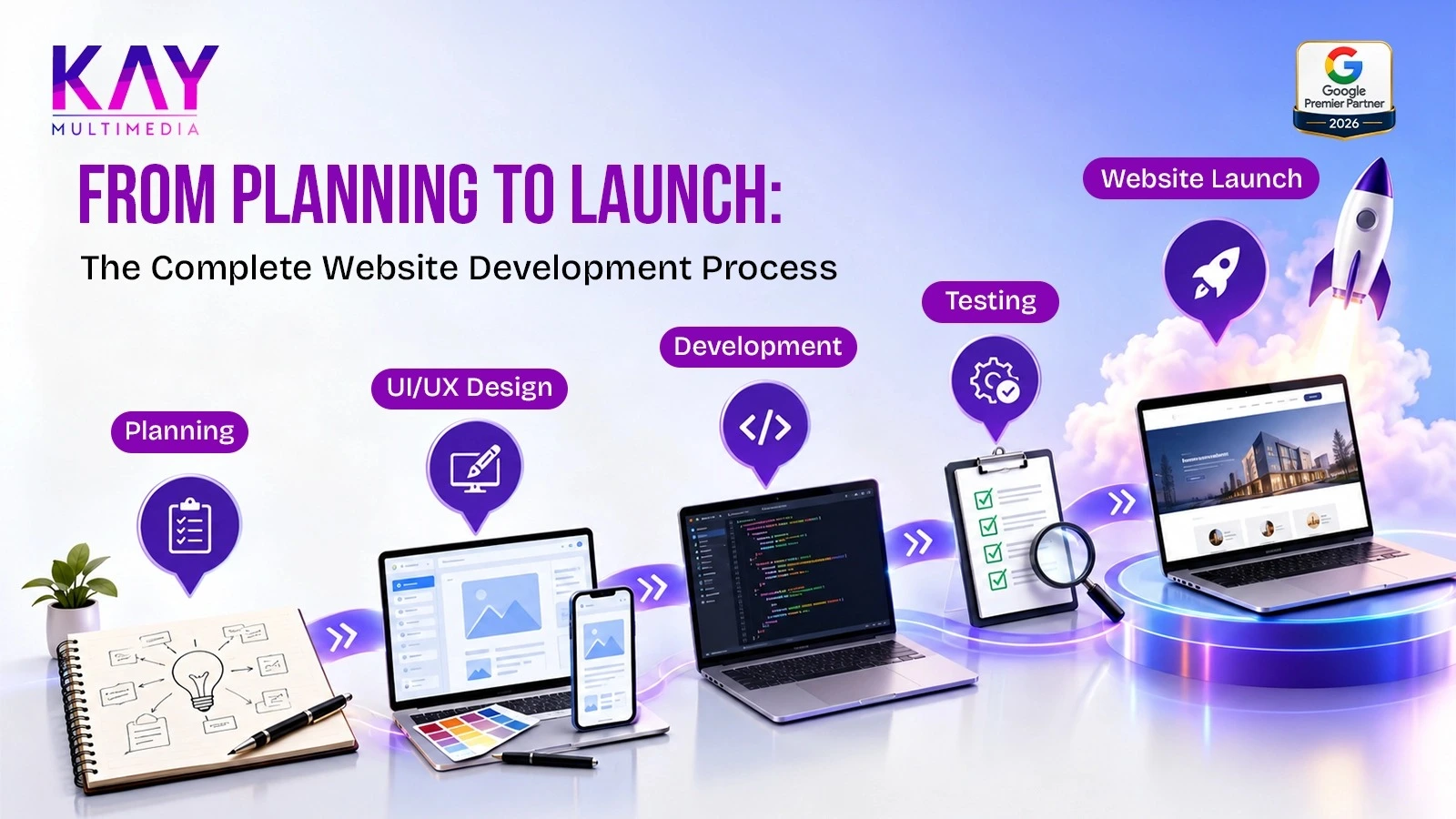
Website development involves planning, designing, building and launching a website. Website maintenance involves keeping that website secure, functional, updated and reliable after launch.
7. Can I change my website maintenance provider after launch?
Yes. Businesses can generally change maintenance providers if they have appropriate ownership and access to website assets, hosting, databases, source code and administrative accounts, subject to contractual terms.
Conclusion
A successful website launch is only the beginning of a business's digital journey. Maintaining website security, performance, content accuracy and technical functionality is essential for delivering a reliable online experience.
Whether website maintenance is handled internally or outsourced, businesses should establish clear responsibilities and follow a consistent maintenance plan.
Partnering with an experienced Website Development Company in Chennai can make ongoing website management more structured and support future business growth.
Looking for professional website development and ongoing technical support?
Connect with KAY Multimedia Solutions to discuss your website development and maintenance requirements.





 Call Now

