
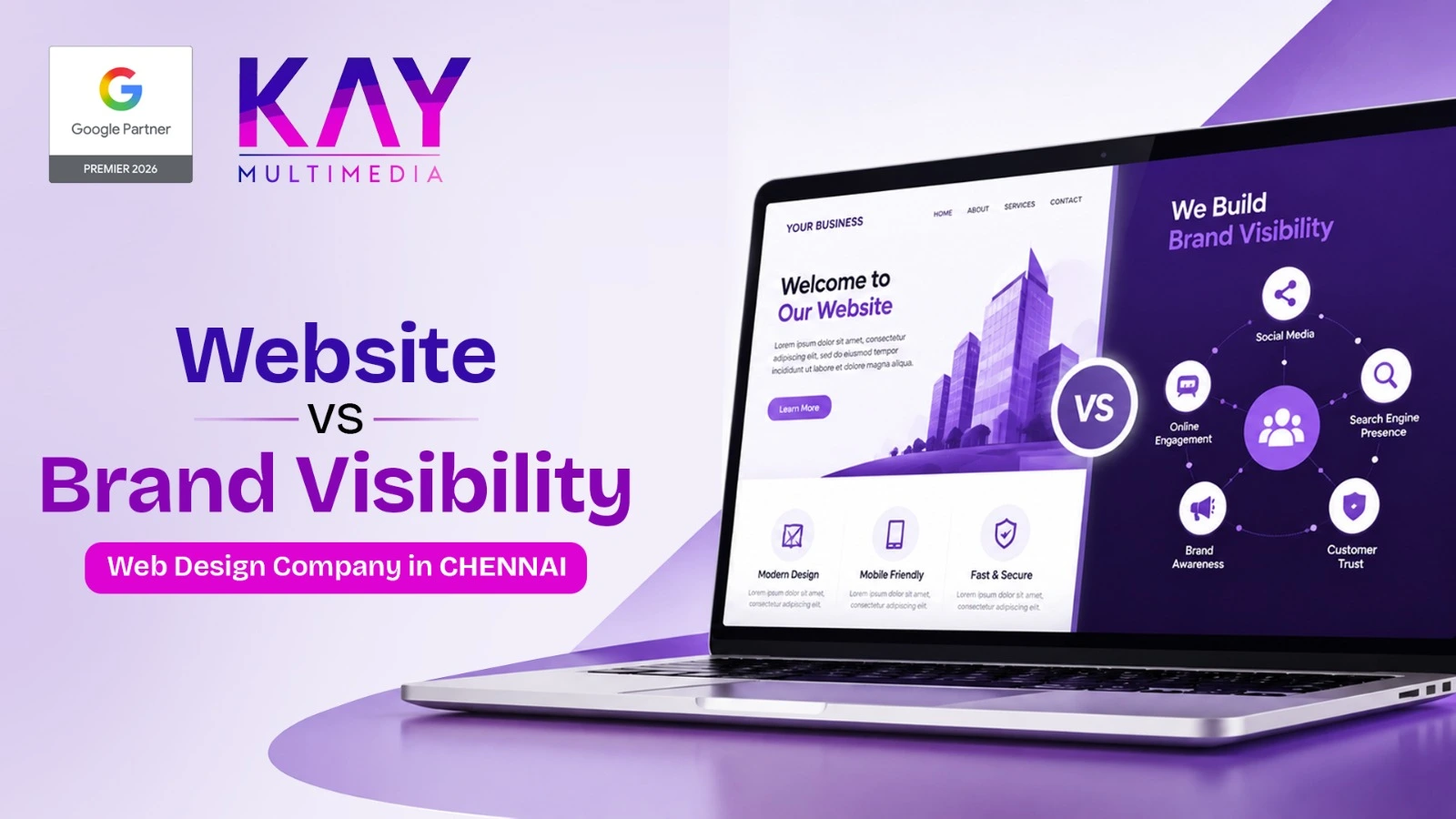
In today’s digital-first marketplace, simply having a website is not enough. Businesses need to make sure their website can be discovered by potential customers while also building a brand that people can recognise, remember and trust.
This is where website visibility and brand visibility come into play.
Although these terms are closely connected, they describe two different aspects of digital presence. Website visibility focuses primarily on how easily users can discover your website online, while brand visibility is about how often people encounter, recognise and remember your business across different channels.
Understanding the difference can help businesses create a stronger digital marketing strategy and achieve sustainable online growth.
What Is Website Visibility?
Website visibility refers to how easily your website can be found by users through search engines, social media, online directories and other digital channels.
For example, when someone searches for services related to your business on Google and your website appears in the search results, your website has achieved visibility.
Website visibility can be influenced by several factors, including:
- Search engine optimisation (SEO)
- Website structure and navigation
- Relevant and helpful content
- Keyword optimisation
- Page speed and mobile responsiveness
- Backlinks and online authority
- Technical SEO
- Local SEO
- Search engine rankings
A professionally designed website provides the foundation, but ongoing optimisation is often required to improve its visibility.
Businesses can explore KAY Multimedia Solutions’ SEO Content Strategy to understand how content and SEO can work together to improve online visibility.
Google also recommends following SEO best practices to make it easier for search engines to crawl, index and understand website content. Google’s SEO Starter Guide provides useful guidance for website owners.
What Is Brand Visibility?
Brand visibility refers to how frequently your target audience sees, recognises or remembers your business across different platforms.
A brand can be visible even when its website does not appear in search results.
For example, customers may discover a company through:
- Social media
- Online advertisements
- YouTube
- Google Business Profile
- Industry publications
- Customer reviews
- Events and partnerships
- Word-of-mouth recommendations
- Search engine results
Brand visibility is therefore broader than website visibility. It focuses on the overall presence of a business in the minds of its target audience.
A well-planned social media marketing strategy can support this visibility by creating consistent interactions between a brand and its target audience.
What Is the Difference Between Website Visibility and Brand Visibility?
The simplest way to understand the difference is:
Website visibility is about being found online, while brand visibility is about being recognised and remembered.
| Website Visibility | Brand Visibility |
| Focuses on the website | Focuses on the overall brand |
| Strongly connected to SEO | Connected to multiple marketing channels |
| Measures website discoverability | Measures brand awareness and recognition |
| Depends on search rankings and technical performance | Depends on consistent brand exposure |
| Drives users to specific web pages | Builds familiarity and trust |
| Primarily digital-search focused | Covers the wider customer journey |
Both are important because visibility without recognition may generate short-term traffic, while brand awareness without an effective website may result in missed opportunities.
Why Is Website Visibility Important for Businesses?
Your website is often one of the first places potential customers go to learn more about your business.
If your website cannot be easily found, you may lose potential customers to competitors that have stronger online visibility.
Improving website visibility can help businesses:
Increase Organic Traffic
Higher visibility in search engines can help attract relevant visitors without relying entirely on paid advertising.
Reach High-Intent Customers
People searching for a specific product or service often have a clear need. Appearing in relevant searches can put your business in front of these potential customers.
Build Online Credibility
A well-designed, informative and visible website can create a more professional impression of your business.
Generate Leads
Effective landing pages, clear calls to action and useful content can turn website visitors into enquiries.
Support Local Search
Businesses targeting specific locations can use local SEO strategies to increase their chances of appearing when nearby customers search for relevant services.
How Does Web Design Affect Website Visibility?
Web design and SEO are closely connected.
A visually attractive website is valuable, but design should also support usability, accessibility, performance and search engine discoverability.
If you are looking for a Web Design Company in Chennai, KAY Multimedia Solutions provides web development solutions in Chennai focused on responsive design, SEO-friendly website structures, navigation and performance.
A professional web design and development approach can help businesses build websites with important elements such as:
- Mobile-friendly layouts
- Logical navigation
- Clear page hierarchy
- Fast-loading pages
- Search-friendly structures
- Strong calls to action
- Conversion-focused landing pages
- Consistent visual branding
- User-friendly content presentation
Website performance is also important for user experience. Google’s Core Web Vitals guidance explains how metrics such as loading performance, responsiveness and visual stability are used to assess real-world page experience.
However, design alone does not guarantee search rankings. Website development, technical SEO, content strategy and ongoing optimisation also contribute to online visibility.
Can a Website Be Visible Without Having Strong Brand Visibility?
Yes.
A website may rank for keywords and receive organic traffic even if the business itself is not widely recognised.
For example, someone might search for a service, discover a website through Google and visit it without knowing the company beforehand.
This means website visibility can help introduce your brand to new audiences.
The next challenge is converting that first interaction into brand recognition and trust.
Can a Brand Be Visible Without Strong Website Visibility?
Yes, but it can create challenges.
A business may have strong visibility through social media, advertisements, referrals or offline marketing while its website receives limited organic traffic.
This can still create awareness, but when potential customers search for the business online, the website should provide a strong and credible destination.
A strong brand therefore benefits from a website that supports its reputation and makes it easy for customers to take action.
How Can Businesses Improve Both Website and Brand Visibility?
The strongest digital strategies combine website visibility with brand-building activities.
1. Build a Search-Friendly Website
Start with a technically sound website that is fast, mobile-friendly, easy to navigate and structured around user intent.
2. Create Helpful Content
Publish content that answers the questions your target audience is already searching for.
Blog posts, service pages, guides and FAQs can help capture different stages of the customer journey.
KAY Multimedia Solutions also regularly publishes insights through its digital marketing and SEO blog, covering topics related to SEO, websites, digital marketing and online visibility.
3. Strengthen SEO
Optimise important on-page elements such as titles, headings, URLs, internal links, images and content while also addressing technical SEO.
Google explains that SEO helps search engines understand content and helps users discover websites through search. Google Search Central provides official resources covering crawling, indexing and search visibility.
4. Maintain Consistent Branding
Use consistent logos, colours, messaging, tone and visual elements across your website and marketing channels.
5. Invest in Local SEO
If your business serves a specific geographical area, optimise your website and online profiles for relevant local searches.
6. Use Social Media Strategically
Social platforms can increase brand exposure and help distribute your website content to a wider audience.
7. Build Online Authority
Quality backlinks, industry mentions, reviews and valuable content can contribute to both credibility and visibility.
8. Measure the Right Metrics
For website visibility, monitor metrics such as:
- Organic traffic
- Search impressions
- Keyword rankings
- Click-through rate
- Indexed pages
- Leads from organic search
For brand visibility, consider:
- Branded searches
- Direct website traffic
- Social reach
- Brand mentions
- Engagement
- Reviews
- Returning visitors
Which Is More Important: Website Visibility or Brand Visibility?
Neither should be considered more important in isolation.
Website visibility helps customers find you, while brand visibility helps customers remember and trust you.
Businesses should aim to develop both simultaneously.
For example, SEO can bring a new visitor to your website. A professional design, consistent branding and useful content can then create a positive experience. Continued exposure through social media, email marketing, advertising and other channels can reinforce brand recognition.
This creates a connected digital marketing ecosystem rather than treating SEO and branding as separate activities.
How Does SEO Connect Website Visibility With Brand Visibility?
SEO can contribute to both.
Initially, SEO helps your website appear when people search for relevant information, products or services. As your website consistently appears for valuable searches, users may begin associating your business with those topics.
Over time, this can increase branded searches and strengthen your perceived authority.
This is particularly important for businesses competing in crowded markets. A website that simply ranks is useful, but a website that becomes associated with expertise and reliability can create much stronger long-term value.
Frequently Asked Questions
Is website visibility the same as SEO?
No. SEO is one of the primary strategies used to improve website visibility. Website visibility can also be influenced by social media, referrals, directories, advertising and other channels.
What is brand visibility in digital marketing?
Brand visibility is the extent to which a business is seen, recognised and remembered by its target audience across digital and offline channels.
Does web design affect SEO?
Yes. Website structure, mobile responsiveness, navigation, page speed, user experience and technical implementation can influence how effectively a website can be crawled, used and discovered.
How long does it take to improve website visibility?
The timeline varies depending on competition, website condition, content quality, authority and SEO strategy. SEO generally requires consistent optimisation and content development rather than a one-time change.
Should small businesses focus on branding or SEO?
Small businesses should ideally work on both. SEO can help them reach people actively searching for their services, while branding can build recognition, trust and long-term customer relationships.
Conclusion
Website visibility and brand visibility may sound similar, but they serve different purposes. Website visibility helps potential customers discover your website, while brand visibility helps them recognise, remember and trust your business.
For sustainable digital growth, businesses should combine SEO, professional web design, valuable content, local search optimization and consistent branding. A strong website can become the foundation that connects these activities and turns visibility into meaningful customer action.
Looking to strengthen your website and brand presence? Choose KAY Multimedia Solutions, a Google Premier Partner, for strategic digital solutions.




 Call Now

